
Please wait, I'm coming over...


 |
|
|
||||||||||||||||||||||||
Last Changed 5/8/2011 |
||||||||||||||||||||||||||
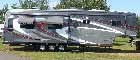
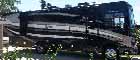
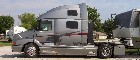
| So, if a Dually is not up to the job of pulling a heavy FW trailer, what do you need? The answer is a Medium Duty Truck (MDT). | ||||||||||||||||||||||||||
Some of the MDTs available. |
||||||||||||||||||||||||||
|
||||||||||||||||||||||||||
So why a MDT?So what makes a MDT so much more suited to pulling a heavy trailer?BrakesLet’s start with brakes. The brakes for a typical MDT are rated for 45,000 lbs. or more. This is more than needed to stop the truck and the trailer. Granted the trailer does have its own brakes, but is it not great to know that you have brakes, even if the trailer brakes fail. The Dually has enough brakes for the Dually. You have to use the trailer brakes.EnginesThe MDT engine is designed for torque not horsepower. Torque is what starts your trailer moving and moves it up the hill. The Chevrolet DuraMax diesel is rated at 365 HP with 660 lbs.-ft. of torque. Dodge is now available with a Cummins diesel rated at 305 HP and 610 lbs.-ft. of torque and an exhaust brake. A typical MDT engine is rated 300 HP but with 800 lbs.-ft. of torque. These MDT engines are designed for upwards of a 1,000,000 miles. For example, in RV usage, Caterpillar gives an unlimited mileage/5-years warranty on their engines. You can plan on at least 600,000 miles before you need to do anything to the engine. Compare that to the Dually that is generally gone at 150,000 miles.Engine Exhaust BrakeA diesel engine does not have inherent braking capabilities like a gasoline engine. On a gas engine, you close the throttle and the engine starts sucking against the closed throttle plate causing braking. This is very noticeable with a stick-shift. The torque converter of an automatic transmission can freewheel and negate the engine braking. With a diesel, taking your foot off the throttle means you just stop putting fuel into the engine, the engine will just freewheel.An exhaust brake is a valve plate inserted into the exhaust pipe that closes when the throttle is released. This causes the engine to work trying to push against the plate. The causes the same kind of braking action that a gasoline engine has. A MDT engine usually has an exhaust brake which takes a great load off of the MDT and trailer brakes in downhill situations. The usual stand by the pickup manufacturers is that an exhaust brake will invalidate the warrantee. The issue of engine brakes cannot be understated. Yes, trailer brakes will help stop the rig. But have you seen a semi with it's brakes on fire going downhill? On a long downhill run, any brake system used all the time to maintain a safe speed will overheat. Using the engine as a braking force to maintain speed on the downhill leaves the wheel brakes available for emergency stopping. The new Dodge Cummins diesel comes with a standard exhaust brake. This is a great step forward. CoolingMDTs have cooling systems designed for the continuous operation of commercial usage. The radiator is huge compared to what you will find in the Dually. Every MDT chassis component is large, compared to a Dually. The steering, the axles, and the frame are all heavy duty items.SuspensionMost MDTs have air spring suspensions. This is important to you when you are not towing your trailer. With conventional leaf or coiled springs, the rating of the springs are set for the truck to be level when the rated load is on the vehicle, That means when your trailer is on the truck, the truck is level and there is some springing action when you hit a bump. With the load removed, the truck will sit high in the back because there is not enough load on the springs. Since there is not enough load, when you hit a bump, there is very little spring action so the bump is transmitted to your bottom. |
||||||||||||||||||||||||||
 |
With air springs, there is the air bag that most people are familiar
with. There also is a leveling valve which puts air into or
releases air from the bag to keep the suspension level. In doing
so, the pressure in the bags, the spring rating, is adjusted to the
load present. When the trailer is on the truck, the pressure is
higher. When the trailer is off, there is less pressure and the air
springs are softer since there is springing action without the load. We should note here that we are not talking about air bag helper springs. Air bag helper springs do not give you the proper capacity axle and brakes necessary for the load. They only help keep an over-loaded vehicle level. |
|||||||||||||||||||||||||
click on image to enlarge |
||||||||||||||||||||||||||
TransmissionThe typical MDT transmission is the Allison 3000 6-speed automatic. This transmission is designed for 860 lbs.-ft. of torque. An Allison 1000 is now available with the Chevrolet DuraMax and is a 6-speed with a torque rating of 650 lbs.-ft.. Dodge is getting a new automatic that has a higher torque rating of 610 lbs.-ft. This isn't quite the 860 lbs.-ft. torque rating of the Allison 3000 found in a MDT but it is a major step up for Dodge. The Dodge transmission was and the Ford transmission still is the weakest links in those Duallys.Turning |
||||||||||||||||||||||||||
 |
Turning is a big benefit of a MDT. The basic width of the Dually is a standard pickup with fender extensions for the dual rear wheels. Look at the front wheels of a Dually. They are very near the frame. Now, a MDT is the same width as the rear duals of the Dually. The front wheels of the MDT are the same distance from the frame as the outside dual wheel. | |||||||||||||||||||||||||
 |
This extra clearance allows the front wheels of an MDT to turn 50-55 degrees compared to the 40 degrees of the Dually. A MDT can turn
inside of the Dually. This makes maneuvering the trailer easier. It even makes shopping easier, being able to turn as well as cars in
a parking lot. The 2008 Ford F450, technically a light MDT, has a wider stance front axle that is allowing a tighter turning radius. The new Dodge 4500/5500 chassis also looks like it has a wide stance front axle. |
|||||||||||||||||||||||||
click on image to enlarge |
||||||||||||||||||||||||||
SizeThough the MDT looks large, it is only taller than the Dually. The width is the same. The length is generally the same. Being taller gives you the view of the road that over-the-road truckers enjoy.CostsOne of the first reactions to a MDT is sticker shock. A new MDT can cost $100,000. That seems expensive. |
||||||||||||||||||||||||||
|
We should really check the economics. A 1-ton-dually with a towing bed can easily be a $60,000 to $70,000 investment with a useful life of 150,000 miles. Do that twice to get 300,000 miles and you will be out of pocket for $120,000. Now compare that to the $100,000 MDT that is just getting broken it at 300,000 miles that you can sell for $60,000. T hat means your out of pocket is $40,000 a long stretch from $120,000, and you enjoy the comfort of having a tow vehicle that is fully up to the job. | |||||||||||||||||||||||||
| You could buy the MDT used with a lot of its useful life left for less than the new dually. Later you will see that even more truck can be had for less dollars. | ||||||||||||||||||||||||||
Class 4 and 5 Trucks |
||||||||||||||||||||||||||
|
||||||||||||||||||||||||||
One advantage of the Chevrolet C4500/C5500 trucks had over the
F450/F550s was that they have the type of sharper turning of larger
MDT/Class 8 Conversions because the front wheel stance is wider. The
2008 F450 now has wider stance front wheels for better turning. The
new 2008 Dodge Ram 4500/5500 looks like it also has a wide stance
front axle.ConclusionGiven the economic and operational benefits of a MDT over a Dually, why would anyone risk the legal ramifications of running overweight? Enough said.But are there alternatives to a MDT? Yes, a Heavy Duty Truck Conversion. |
||||||||||||||||||||||||||
Disclaimer: The information in this site is a collection of data we derived from the vendors and from our personal experiences. This information is meant as a learning guide for you to make your own decisions Best practices and code should always be followed. The recommendations we make are from our personal experiences and we do not receive any compensation for those recommendations. |


